.webp)
Connect To A Vet And Help Your Dog Regain Their Appetite
Loss of appetite in dogs signals illness, pain, stress, or digestive problems. Connect with veterinarians online instantly to help your dog regain their appetite.
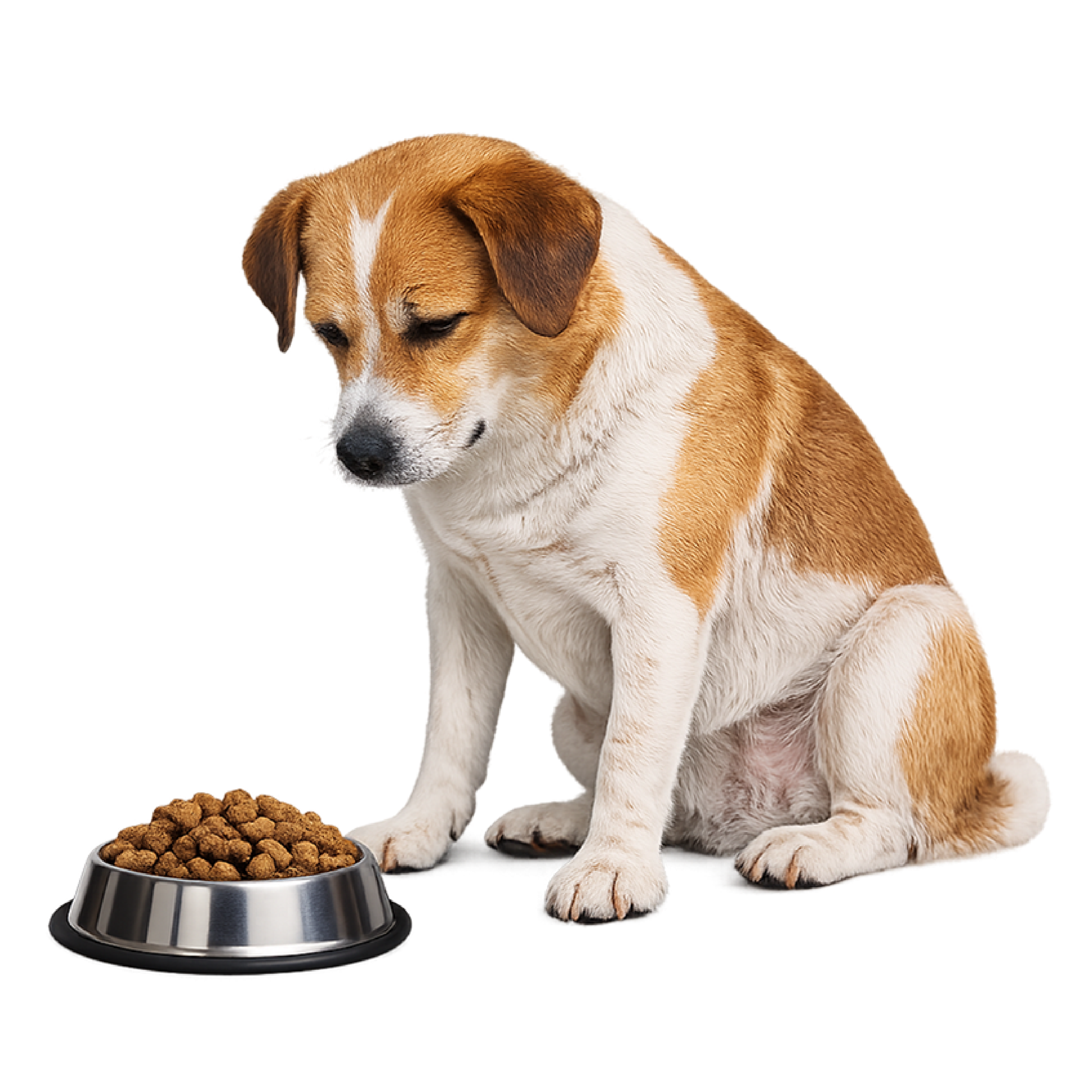
Common Causes Of Appetite Loss In Dogs
Understanding potential causes of appetite loss can help identify why your dog has stopped eating.
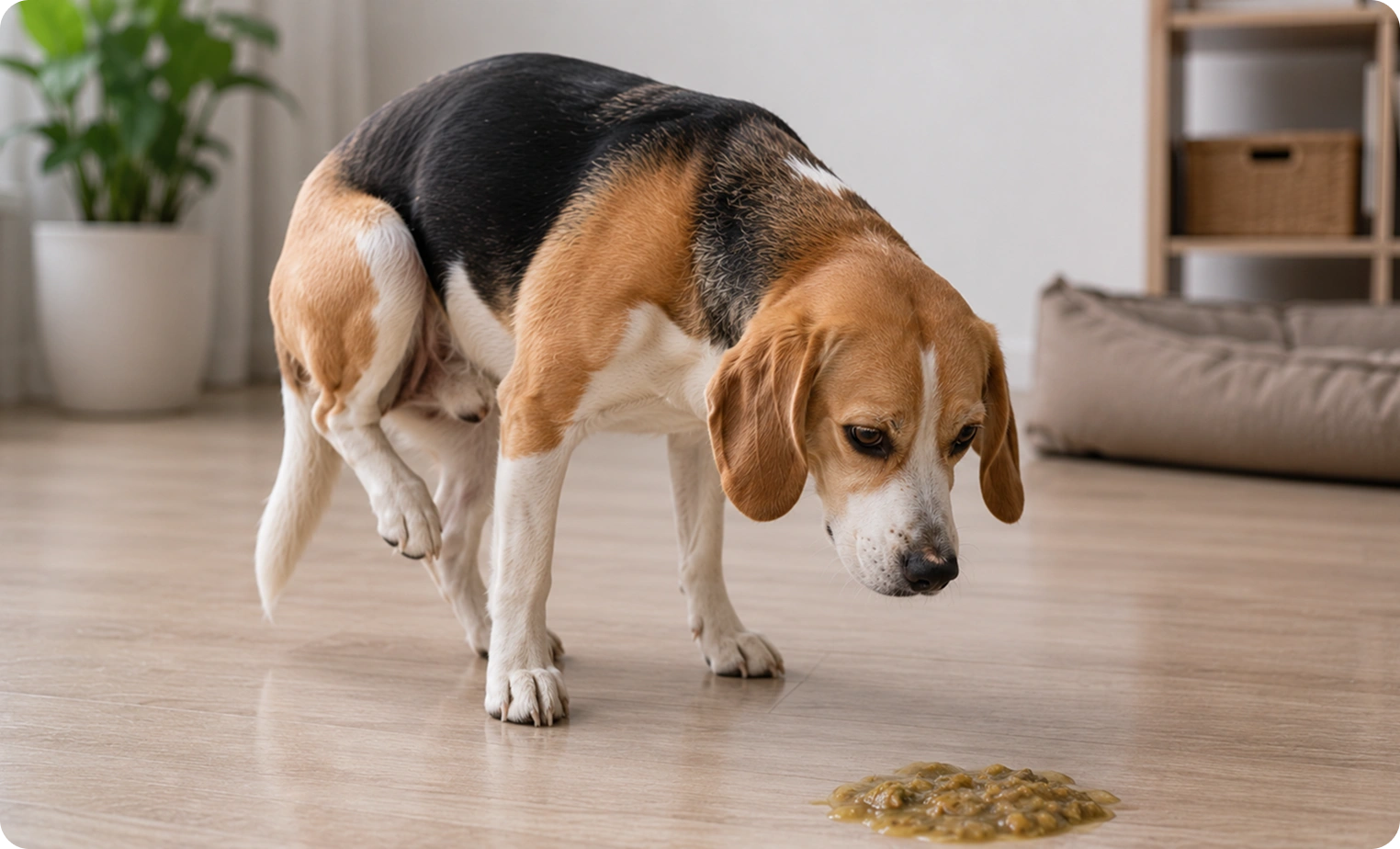
Digestive Problems
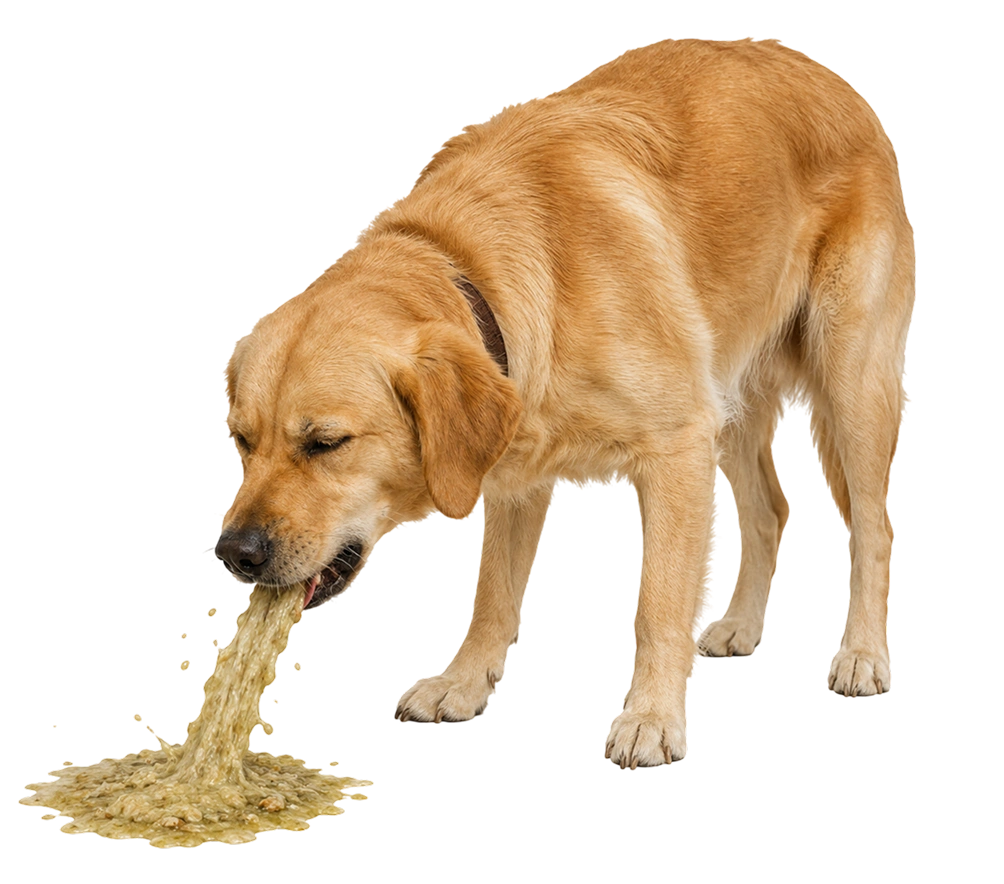
Gastrointestinal issues such as gastritis, nausea, constipation, or digestive upset can reduce appetite in dogs.
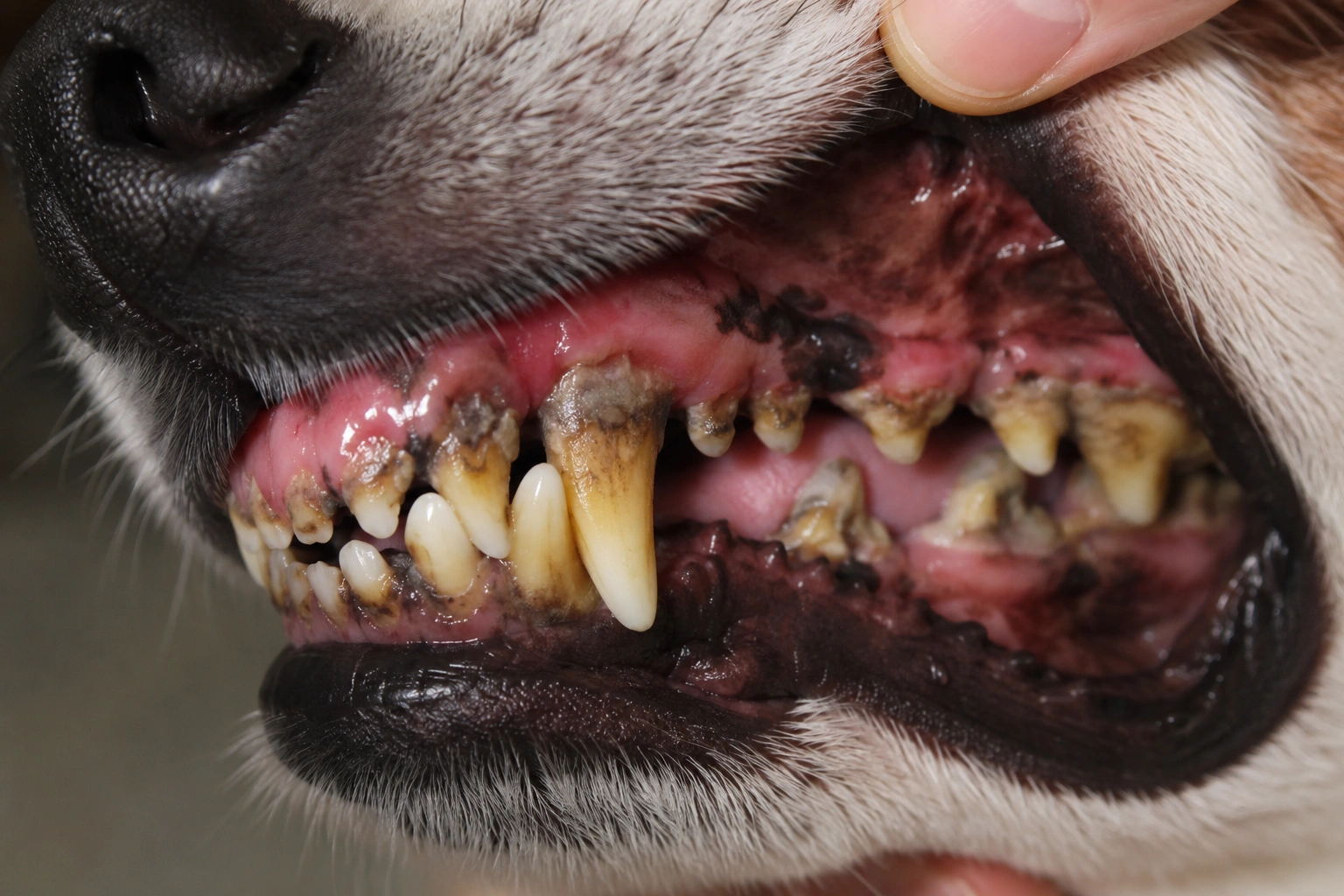
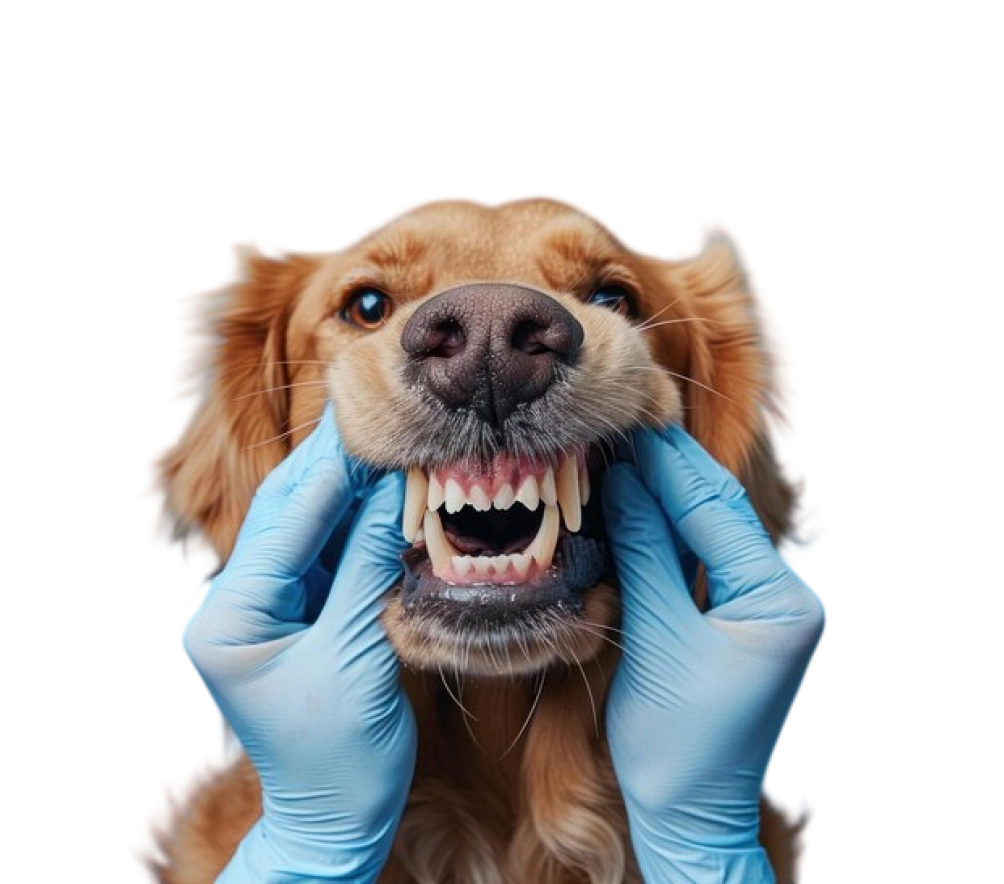
Dental Disease
Inflamed gums, painful teeth, or oral infections or injuries may make chewing uncomfortable, causing dogs to avoid food ...
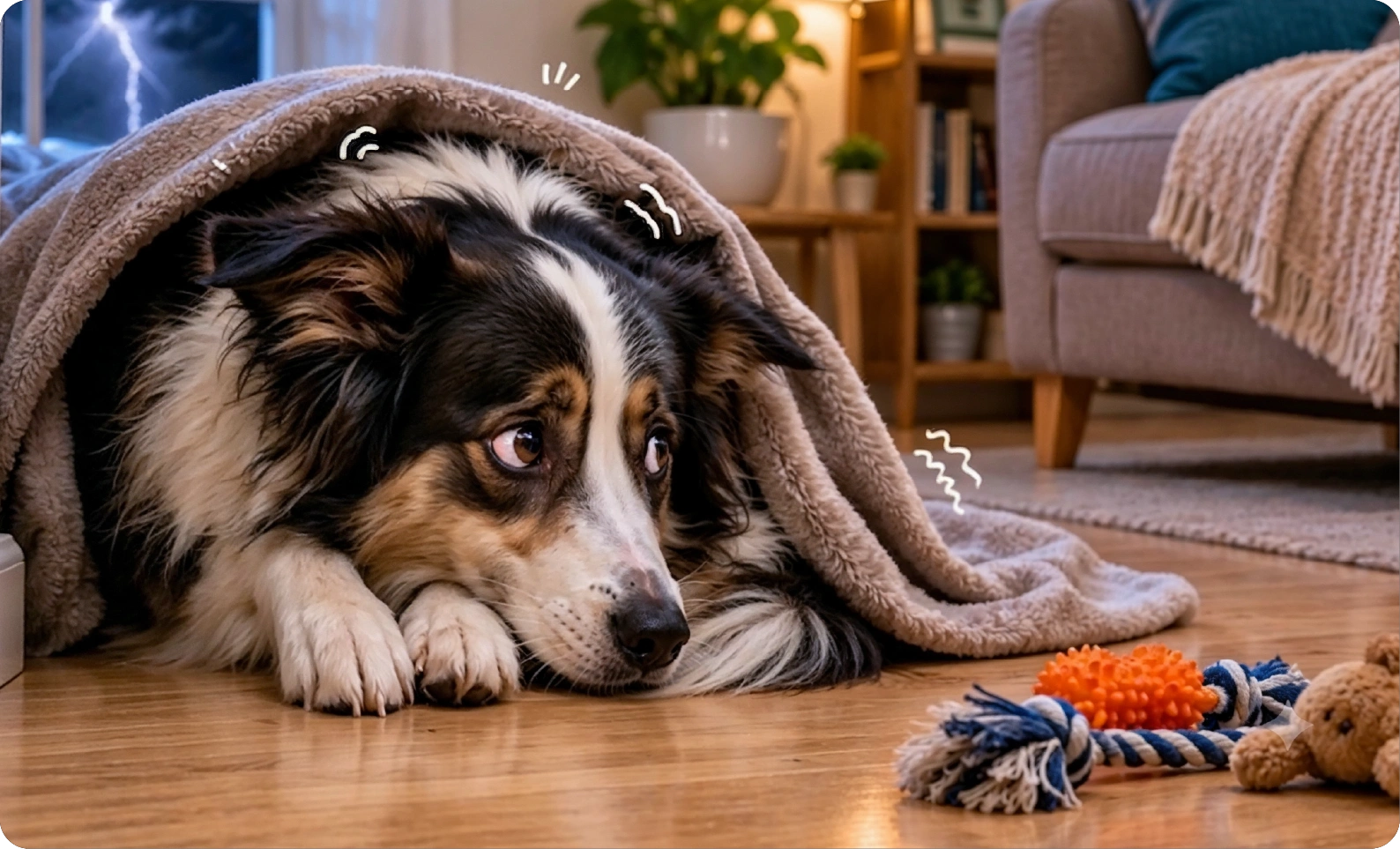
Stress & Anxiety
Changes in routine, environment, travel, or separation anxiety can temporarily reduce a dog's appetite.

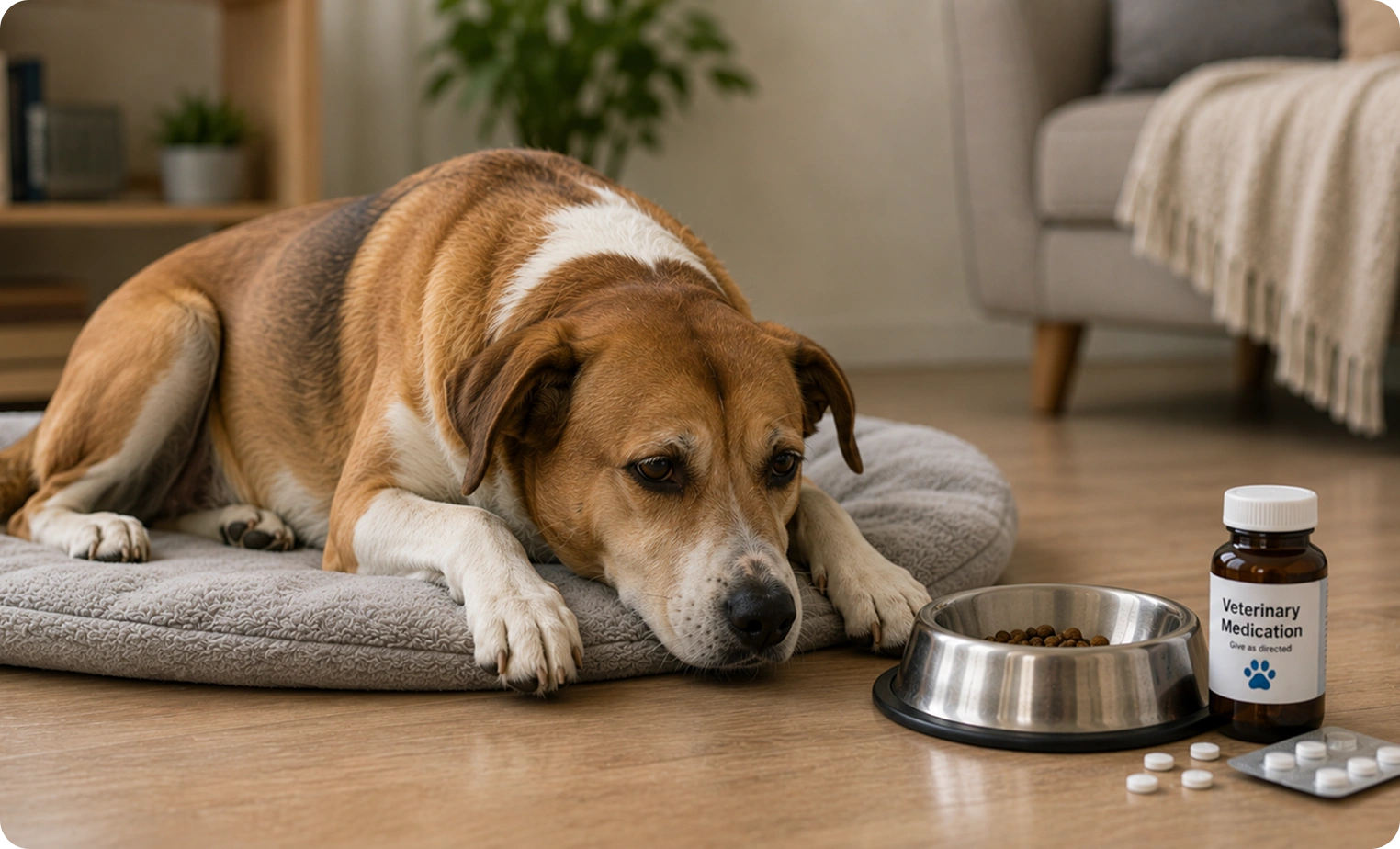
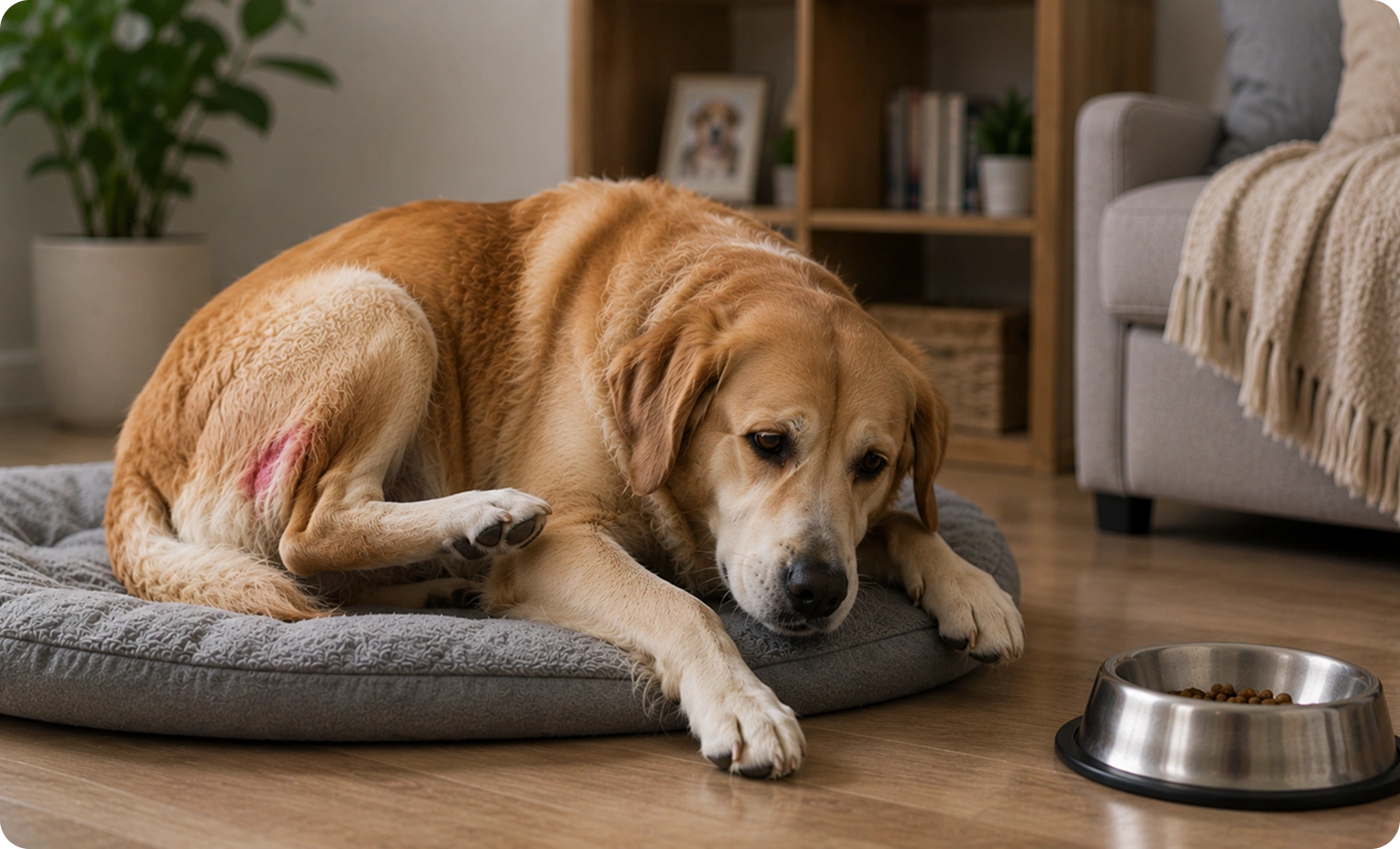
Common Signs of Appetite Loss in Dogs
Changes in eating habits can signal underlying health concerns early.
Refusing Meals
If a dog is consistently ignoring food, it may be experiencing pain, illness, stress, or digestive discomfort requiring further evaluation.
Eating Less
Weight Loss
Common Signs of Appetite Loss in Dogs
Changes in eating habits can signal underlying health concerns early.
Refusing Meals
If a dog is consistently ignoring food, it may be experiencing pain, illness, stress, or digestive discomfort requiring further evaluation.
Eating Less
Weight Loss
Low Energy
Vomiting
Dehydration
How Serious Is Your Dog’s Appetite Loss
- Missed meal
- Selective eating
- Mild stress
- Reduced appetite
- Eating less
- Weight loss
- Low energy
- Frequent nausea
- Food refusal
- Severe lethargy
- Persistent vomiting
- Rapid dehydration
When To Consult A Veterinarian?

Complete Refusal of Food
No food intake for more than 24 hours.

Persistent Vomiting
Appetite loss combined with vomiting requires prompt veterinary assessment.

Rapid Weight Loss
Sudden/unexplained weight loss indicates serious underlying disease.

Complete Refusal of Food
No food intake for more than 24 hours.
Persistent Vomiting
Appetite loss combined with vomiting requires prompt veterinary assessment.



How To Prevent Appetite Loss In Dogs?

Feed a Balanced Diet
Provide complete, nutritionally balanced meals that meet your dog's age, size, activity level, and health requirements.

Maintain Feeding Routine
Consistent feeding schedules support digestion, regulate appetite and encourage healthy eating behaviours over time.

Limit Excess Treats
Avoid feeding too many treats, as they can reduce appetite for regular meals and lead to nutritional imbalances or selective eating.

Regular Health Checks
Veterinary examinations at regular intervals can help identify health issues early, before they begin affecting appetite and overall wellness.

Reduce Stress
A calm and predictable environment helps prevent stress-related appetite loss and encourages healthy eating behaviours.

Ensure Fresh Water
Ensure adequate hydration as it supports digestion, nutrient absorption, and overall health, helping maintain a healthy appetite.
Feed a Balanced Diet
Provide complete, nutritionally balanced meals that meet your dog's age, size, activity level, and health requirements.
Veterinary Help in Just a Few Simple Steps
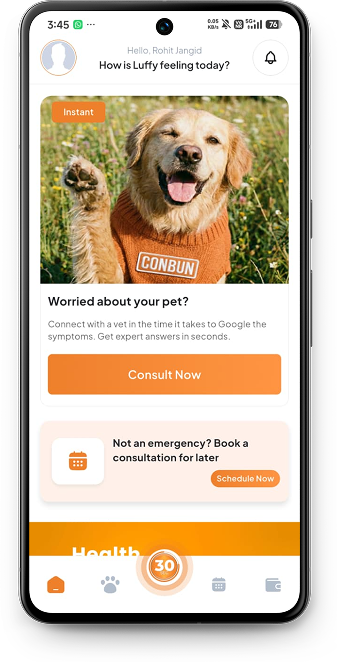
Install Conbun and create your pet’s profile so we can understand them better.
Describe symptoms, upload photos if needed, and get quick online pet health advice from verified vets.
Talk to a vet online in just 30 seconds or schedule an appointment for later.



Related Dog Issues
Allergies
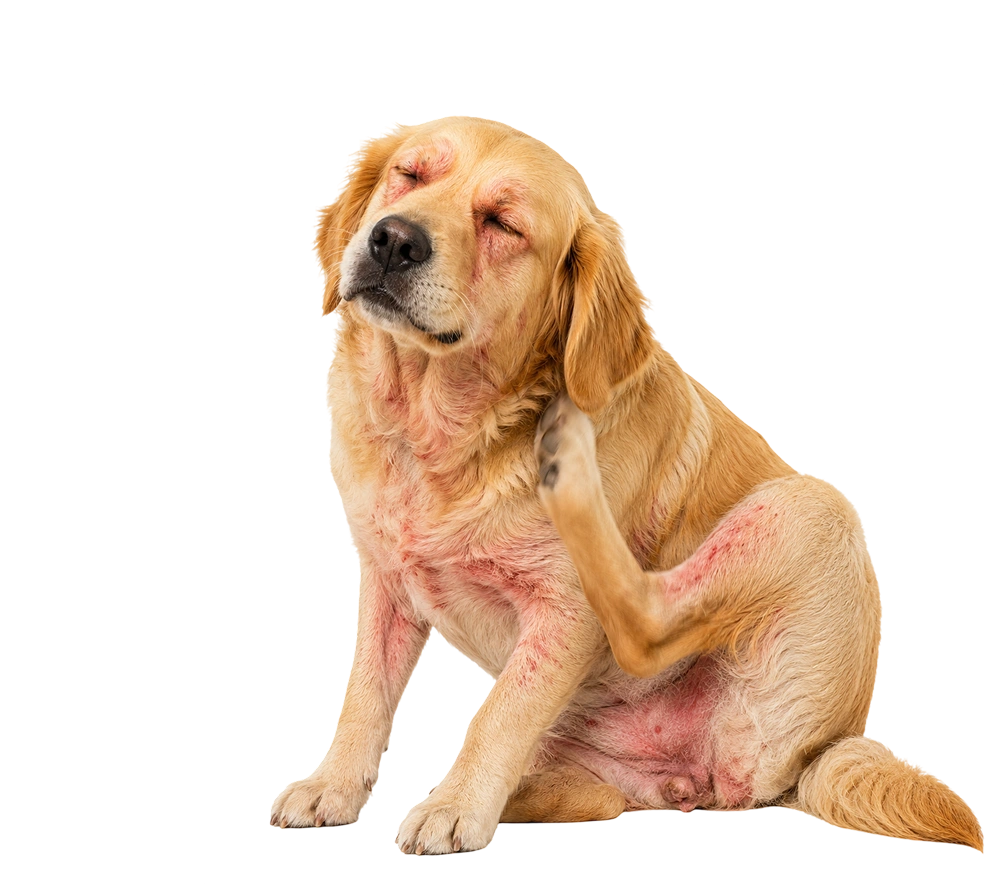
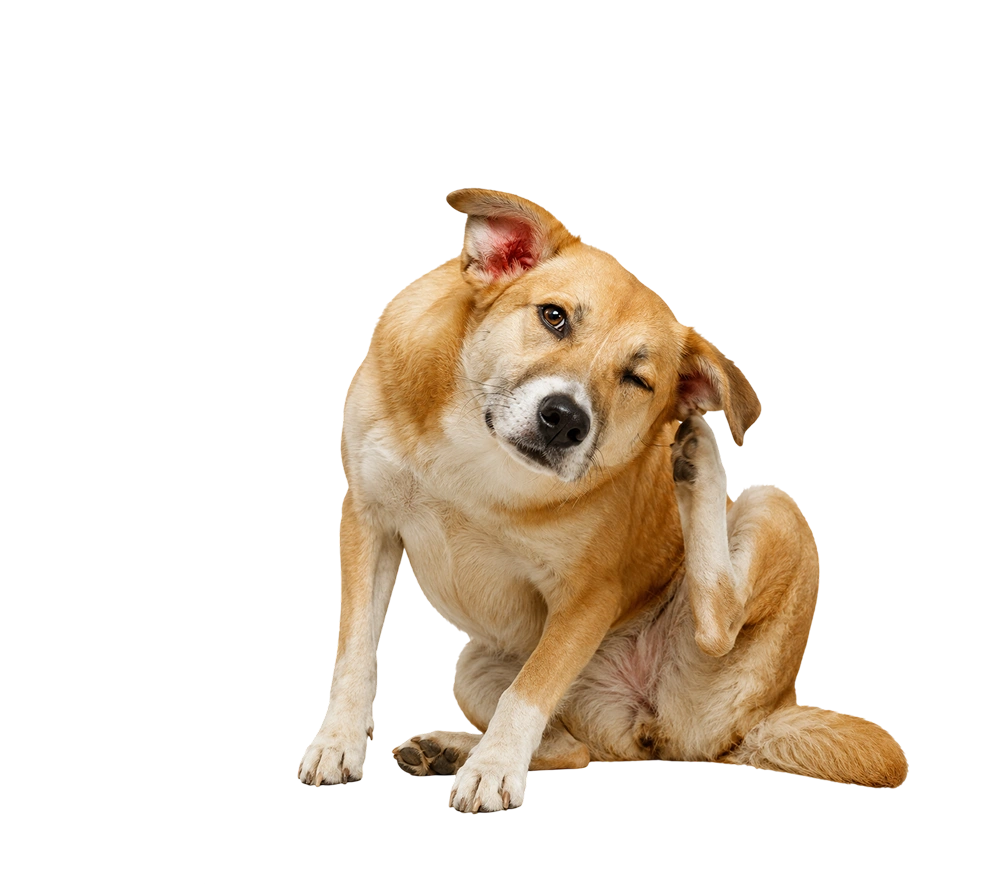
Ear infections
Dental Disease
Digestive Issues (vomiting/diarrhea)


Allergies
Ear infections
Frequently Asked Questions
A loss of appetite in dogs can occur for a range of reasons, including dietary changes, stress, digestive upset, pain, dental disease, infections, or underlying medical conditions. While many cases are temporary, prolonged appetite loss must be evaluated by a veterinarian to determine the cause and appropriate treatment.
Healthy adult dogs can sometimes go 24 hours without food, but persistent appetite loss should not be ignored. Puppies, senior dogs, and dogs with existing health conditions are at greater risk of clinical complications. If your dog refuses food for more than a day or develops additional symptoms like vomiting or lethargy, seek veterinary attention.
Offer fresh food, warm meals slightly to enhance aroma, maintain a consistent feeding schedule, provide a quiet feeding environment and ensure that the surrounding environment is not stressful. However, if your dog continues refusing food, seek medical attention to identify and address the underlying cause rather than encouraging eating.
Yes. Conbun connects you with qualified veterinarians online to discuss appetite loss in dogs, changes in their eating habits, weight loss, vomiting, or other related concerns. Only an expert veterinarian can assess your dog's symptoms, recommend next steps, and determine whether further advance diagnosis is needed.
Seek veterinary advice if appetite loss is accompanied by vomiting, severe lethargy, diarrhea, weight loss, dehydration, abdominal discomfort, dental pain, difficulty swallowing, or behavioral changes. These symptoms indicate an underlying health issue that requires prompt medical attention.
Conbun – Your Trusted Pet Consult App for Dogs
Being a pet parent comes with daily questions and concerns. From sudden vomiting and itching to food confusion or unusual behaviour, every pet deserves quick and trusted care. With busy schedules and limited access to vets, finding reliable pet guidance at the right time can feel stressful. At Conbun, we make pet parenting easier with instant online vet consultations, expert advice, and trusted support for dogs — all from your phone.