Do Hamsters Hibernate? How to Recognise Torpor and Keep Your Pet Safe
Do Hamsters Hibernate? How to Recognise Torpor and Keep Your Pet Safe
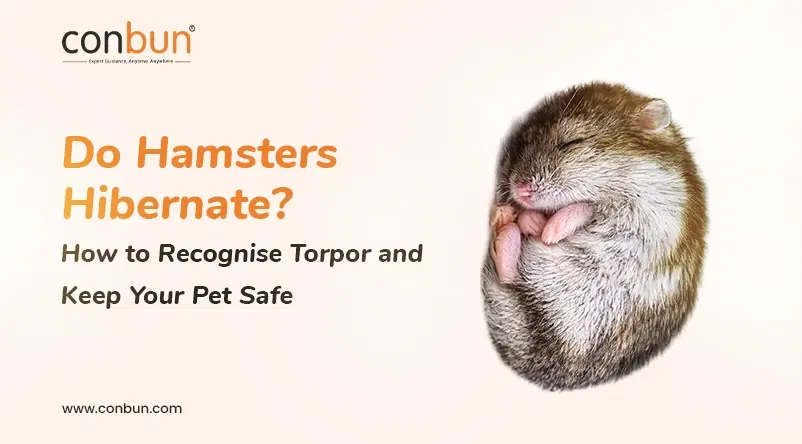
If your hamster is cold, barely moving, or difficult to wake, it may not be hibernating; it could be in torpor, a temporary hypometabolic state triggered by cold temperatures, inadequate food, or other stressors.
Hamsters do not truly hibernate. Instead, they go into a dangerous, involuntary deep sleep called Torpor. This state is abnormal and should be treated as a medical emergency. Recognising signs and responding safely can make all the difference. In this guide, learn the difference between torpor and hibernation, common triggers, emergency warning signs, and when to seek veterinary advice.
Because your hamster may look like it's in a deep sleep, but sometimes that "nap" is your pet asking for help.
Understanding Torpor: Why Your Hamster Suddenly Stops Moving
1. Do Hamsters Really Hibernate?
One of the most common misconceptions pet owners have is that hamsters naturally hibernate during winter. In reality, healthy pet hamsters do not go into true seasonal hibernation. Instead, they enter into torpor, a short-term physiological response in which their body temperature, breathing, heart rate and metabolic activity decrease dramatically to conserve energy.
According to Trends in Endocrinology & Metabolism, in mammals, this state of suspended animation is mainly driven by a harsh climate or inadequate food.
According to the BSAVA Manual of Rodents and Ferrets, torpor is most commonly triggered when environmental temperatures fall below 10–15°C, although inadequate nutrition, dehydration, illness, or environmental stress can also contribute. Syrian hamsters are particularly susceptible.
As pet hamsters live in controlled indoor environments, entering torpor is usually an indication that husbandry conditions are not suitable or that the hamster is medically compromised. Preventing cold exposure and offering proper nutrition are essential aspects of hamster care in winter.
2. How to Recognise Torpor
A hamster in torpor may appear alarmingly similar to a dead hamster, which is why careful assessment is important before concluding.
Common symptoms of torpor in hamsters include:
Extremely slow or shallow breathing
Cold body and cool extremities
Barely moving or completely motionless
Curled-up posture
Significantly reduced heart rate
Weak response when gently touched
Eyes remain closed and are difficult to wake
Most owners searching online for “hamster dead or hibernating” are actually dealing with a hamster in torpor. Although the animal may seem lifeless, careful observation reveals slow breathing or slight movements.
Do not assume that your hamster is dead simply because it is unresponsive. If you’re unsure whether your hamster is dead or is in torpor, seek veterinary intervention promptly.
3. What Causes Torpor?
Torpor develops when the hamster's body attempts to conserve energy under unfavourable conditions.
Common triggers include:
Low environmental temperatures
Poor nutrition or inadequate food intake
Dehydration
Insufficient bedding or nesting material
Illness affecting normal metabolism
Environmental or handling stress
Maintaining an appropriate cage temperature, providing adequate bedding, ensuring constant access to food and fresh water, and minimising stress are the most effective ways to prevent torpor. According to veterinary literature, proper husbandry is the cornerstone of prevention.
4. What Should You Do If Your Hamster Is in Torpor?
If you suspect torpor, remain calm and act carefully. Sudden temperature changes or rough handling can worsen the hamster's condition.
Move your hamster to a warm room gradually.
Wrap it gently in a warm, dry towel.
Never place it directly on a heater, hot water bottle, or heating pad.
Minimise handling to reduce stress.
Offer fresh water only after the hamster becomes more responsive.
Contact a veterinarian immediately for further guidance.
Do not shake, force-feed, or make a temperature change rapidly, as this may cause additional stress or injury.
Get Expert Help with Conbun
When your hamster is cold, barely moving, or refusing to wake up, every minute matters. While some cases are caused by hamsters' torpor, similar signs can also occur with hypothermia, severe illness, dehydration or other medical emergencies. Because these conditions can look alike, it’s safest to seek veterinary advice as soon as possible.
A hamster health consultation online with Conbun offers you quick access to licensed veterinarians who can help assess your hamster’s symptoms and offer the next effective steps.
Conbun is especially useful when your hamster:
Appears unusually sleepy or difficult to wake
Has a cold body or reduced movement
Stops eating or drinking
Shows possible hamster emergency signs
Needs winter husbandry advice
Requires follow-up care after recovering from torpor
Through an online hamster vet consultation, you can discuss your pet's condition, receive evidence-based care recommendations, and determine whether an in-clinic examination is urgently needed. Early veterinary intervention may significantly improve outcomes and help prevent complications.
Book an instant online vet consultation with Conbun before torpor becomes life-threatening.
Keeping Your Hamster Safe All Year Round
Pet hamsters should not normally enter torpor, and any hamster that is cold, unresponsive, or difficult to wake deserves immediate attention. Maintaining a warm environment, proper nutrition, and good husbandry greatly reduces the risk of torpor. If your hamster suddenly stops moving, don't assume it's simply sleeping; seek veterinary guidance promptly.
If your hamster is cold, unresponsive, or not waking up normally, don't wait. Book an online hamster health consultation with Conbun today and get expert guidance before a temporary emergency becomes a life-threatening one.
FAQs
Q1. What triggers hamster hibernation?
Answer: Pet hamsters do not truly hibernate. Torpor is usually triggered by cold temperatures, inadequate food intake, dehydration, illness, or environmental stress.
Q2. How do I wake a hamster from torpor safely?
Answer: Warm your hamster gradually in a comfortable heated room, wrap it in a warm towel, minimise handling, and contact a veterinarian immediately. Never force-feed or use direct heat on an unresponsive hamster.
Q3. Do pet hamsters really hibernate?
Answer. No. Pet hamsters do not undergo true hibernation. Instead, they enter into a state of torpor, which is a temporary survival response caused by cold temperatures or stress that requires prompt warning and veterinary assessment.
Q4. Can an online vet help if my hamster is in torpor?
Answer: Yes. An online vet consultation can help determine whether your hamster's signs are consistent with torpor or another medical emergency, provide immediate home-care guidance, and advise whether urgent in-person treatment is required.
References
Keeble, E., & Meredith, A. (2009). BSAVA manual of rodents and ferrets (pp. viii+-359). https://www.researchgate.net/publication/264333764_BSAVA_manual_of_rodents_and_ferrets
Melvin, R. G., & Andrews, M. T. (2009). Torpor induction in mammals: recent discoveries fueling new ideas. Trends in Endocrinology & Metabolism, 20(10), 490-498. https://pmc.ncbi.nlm.nih.gov/articles/PMC2788021/pdf/nihms149274.pdf
Table of Content
- Understanding Torpor: Why Your Hamster Suddenly Stops Moving
- Get Expert Help with Conbun
- Keeping Your Hamster Safe All Year Round
- FAQs
- References

Anand Sen
Get Conbun in your Google results
Add Conbun as a preferred source and Google will show our vet-written guides more often in your Search results and AI answers.
Categories