.webp)
Complete Dog Care Guide: Everything New Dog Owners Need to Know
Written by: Anand Sen; Reviewed by: Dr. Manisha
Taking care of a dog starts with offering balanced nutrition, a safe and comfortable home, positive training, regular exercise, routine veterinary care, vaccinations, grooming and plenty of companionship. Whether you’ve brought a puppy or an adult dog, building healthy habits from the start helps your pet live a long, happy and healthy life.
This complete dog care guide is a blueprint for dog care for beginners and serves as a practical new dog owner guide. You’ll learn the basics of feeding, housing, exercise, behaviour, grooming, vaccinations, preventive healthcare and daily care.
What Does Every New Dog Owner Need?
Preparing your home before bringing a dog home reduces stress and makes the transition easier for both the dog and the owner.
First-Time Dog Owner Checklist
Before your dog arrives, make sure you have:
Food and water bowls
Age-appropriate dog food
Comfortable bed
Collar with an ID tag
Harness and leash
Crate (if you plan to crate train)
Interactive toys
Grooming supplies
Waste bags
Cleaning supplies
Safe resting area
Puppy-safe chew toys
Set up a quiet area where your dog can eat, sleep and relax without constant interruptions. A dedicated space helps dogs settle into unfamiliar surroundings quickly.
Veterinary insight: Dogs adapt faster when their daily routine- feeding, walks, playtime and bedtime remains consistent during the first few weeks.
Feeding Your Dog the Right Way
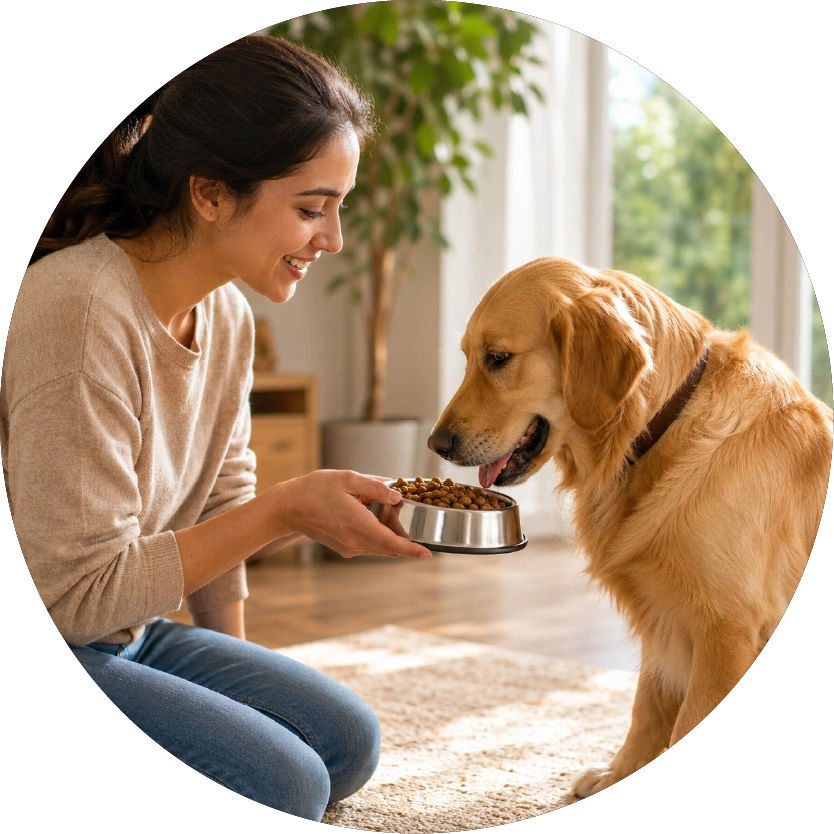
Optimum dog nutrition is the foundation of lifelong health. Feeding a balanced diet appropriate for your dog’s age, size and activity level supports healthy growth, maintains muscle mass and prevents nutrition deficiencies.
Choosing the Right Food
Dogs have different nutritional needs throughout their lives.
Puppies require nutrient-rich food to support rapid growth and development.
Adult dogs need balanced diets that maintain energy and body condition.
Senior dogs may benefit from specialised diets that support joint health, digestion, or kidney function.
Breed size also matters. Large-breed puppies have different calcium and energy requirements than small breeds, making age- and size-appropriate food important.
Both wet and dry food can be part of a healthy diet. Many owners feed a combination of both, provided the food is labelled as complete and balanced.
Feeding Schedule
A regular feeding routine helps support digestion and healthy behaviour.
Puppies: Usually need three to four meals each day.
Adult dogs: Most healthy adults thrive on two meals daily.
Senior dogs: Often continue with two meals unless your veterinarian recommends otherwise.
Fresh, clean drinking water should always be available.
Foods Dogs Should Never Eat
Some human foods can be dangerous or even life-threatening for dogs.
Safe Foods | Foods to Avoid |
Commercial dog food | Chocolate |
Cooked chicken | Grapes & raisins |
Cooked rice | Onion & garlic |
Veterinary diets | Xylitol |
Fresh water | Alcohol & caffeine |
Want more feeding advice? Explore our detailed dog feeding guide for portion sizes, life-stage nutrition, and healthy feeding habits.
Creating a Safe, Comfortable, and Active Home
A dog’s living environment has a direct impact on both physical and emotional well-being. Thus, providing a safe home, regular exercise and mental stimulation are important to prevent boredom, anxiety and destructive behaviours.
Safe Home Setup
Before allowing your dog to explore, make sure your home is dog-proofed.
Store medicines and cleaning products out of reach.
Remove exposed electrical cords.
Keep toxic plants and foods out of reach.
Provide a comfortable sleeping spot.
Leave fresh water available at all times.
Offer safe chew toys to encourage appropriate chewing behaviour.
Exercise and Mental Stimulation
Dogs need more than just walks. They also need consistent enrichment to keep their bodies and minds healthy.
Include activities such as:
Daily walks appropriate for your dog's age and breed.
Automatic feeders and enrichment toys.
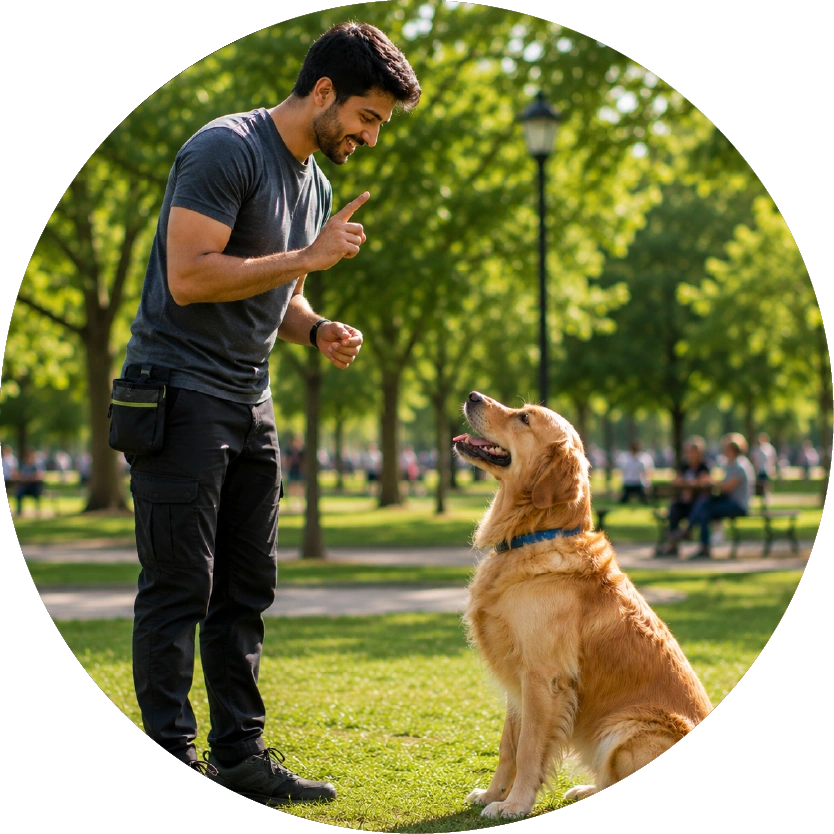
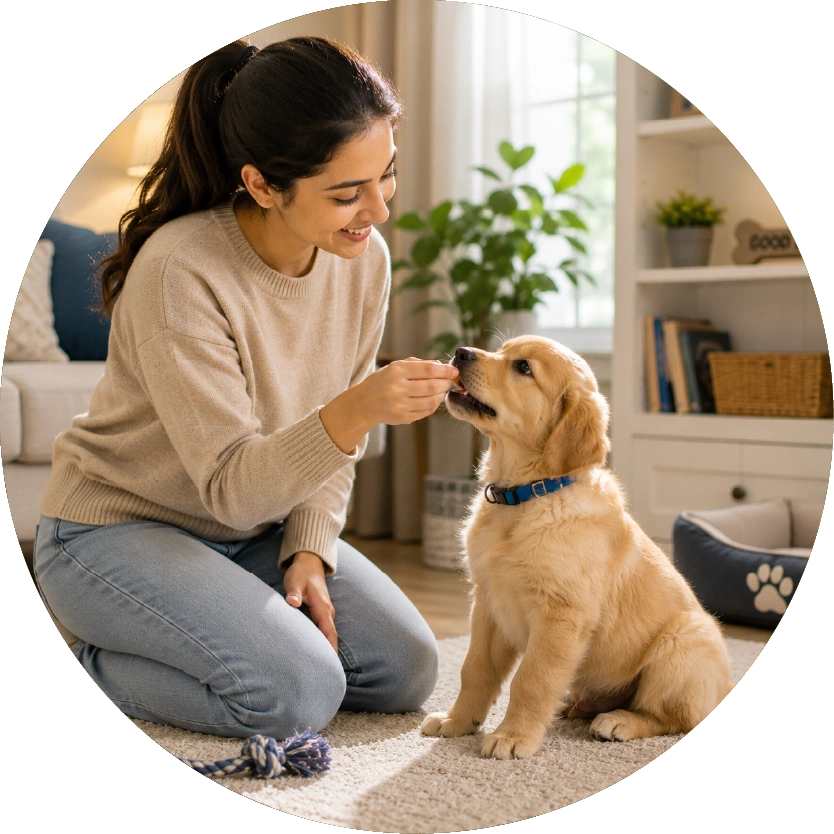
Short positive training sessions.
Interactive pet toys with balls or tug toys.
Different breeds have different exercise needs. Some companion breeds like the Cocker Spaniel or Beagle need moderate daily activity, while working breeds like the Tibetan mastiff require much more physical exercise and mental stimulation.
Indoor vs Outdoor Living
Dogs are social animals that thrive when living with their families. While outdoor time is important for exercise and enrichment, dogs should not be permanently isolated outdoors.
Quick tip: Mental stimulation through training, sniffing games and puzzle toys can be just as important as physical exercise in preventing boredom and unwanted behaviours.
Understanding Your Dog's Behaviour
Dogs cannot talk, but they do communicate through their body language, facial expressions, vocalisations, and daily habits. Knowing what’s normal helps you build a strong bond while recognising when your dog may need veterinary attention.
Normal Behaviours
Many everyday behaviours are natural and help dogs communicate with people and other animals.
Tail wagging: Usually indicates excitement or friendliness, although the tail's position and speed also provide important clues about a dog's emotions.
Barking: Dogs bark to communicate, alert their owners, or express excitement. Occasional barking is normal.
Chewing: Puppies chew while teething, while adult dogs chew to explore, relieve stress, or stay mentally stimulated.
Digging: Some breeds naturally dig to explore, cool down, or satisfy instinctive behaviours.
Sniffing: Dogs rely heavily on their sense of smell to understand their environment, making sniffing an important form of mental enrichment.
Zoomies: Sudden bursts of energy are common, especially in puppies and young dogs.
Social interaction: Most dogs enjoy spending time with their families through play, walks, and training.
When Behaviour May Indicate a Problem
Some behavioural changes can signal illness, pain, or emotional stress.
Watch for:
Aggression or sudden irritability
Excessive barking or whining
Loss of appetite
Sudden lethargy
Fearfulness
Destructive behaviour that develops unexpectedly
Veterinary Insight: Behavioural problems are sometimes the first sign of pain or illness. If your dog's behaviour changes suddenly or persists for several days, arrange a veterinary examination rather than assuming it's a training issue.
Want to learn more? Explore our detailed Dog Behaviour Guide to understand normal canine behaviour and recognise warning signs early.
Grooming and Preventive Healthcare
Regular grooming and preventive healthcare are essential parts of responsible dog healthcare. They not only keep your dog looking its best but also help detect health problems before they become serious.
Grooming Basics
Your dog's grooming routine depends on its breed, coat type, and lifestyle.
Regular care should include:
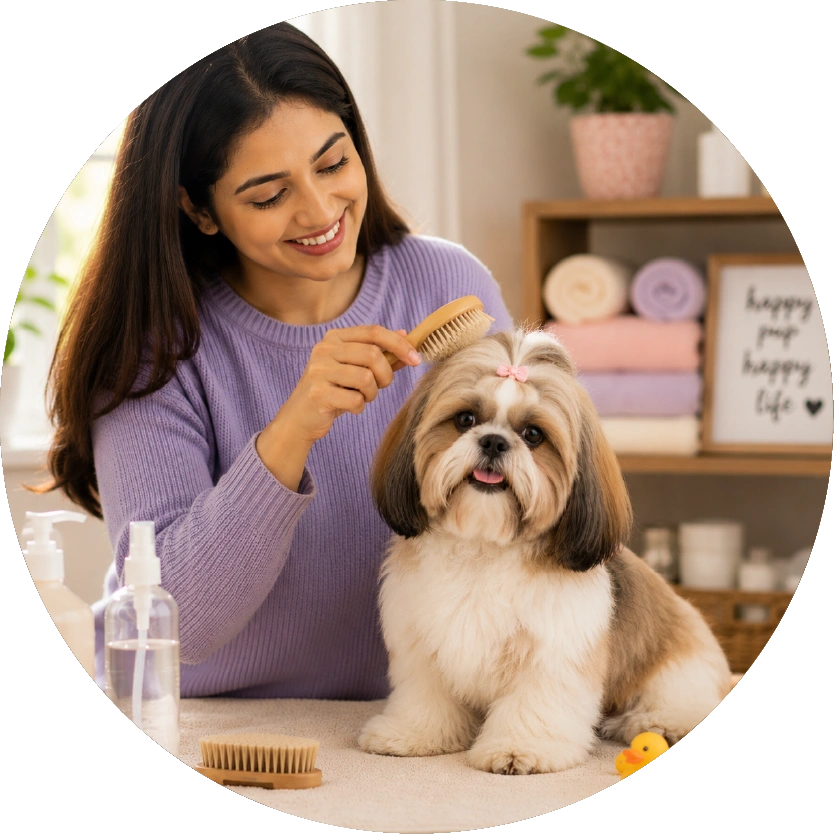
Brushing to remove loose hair and prevent matting.
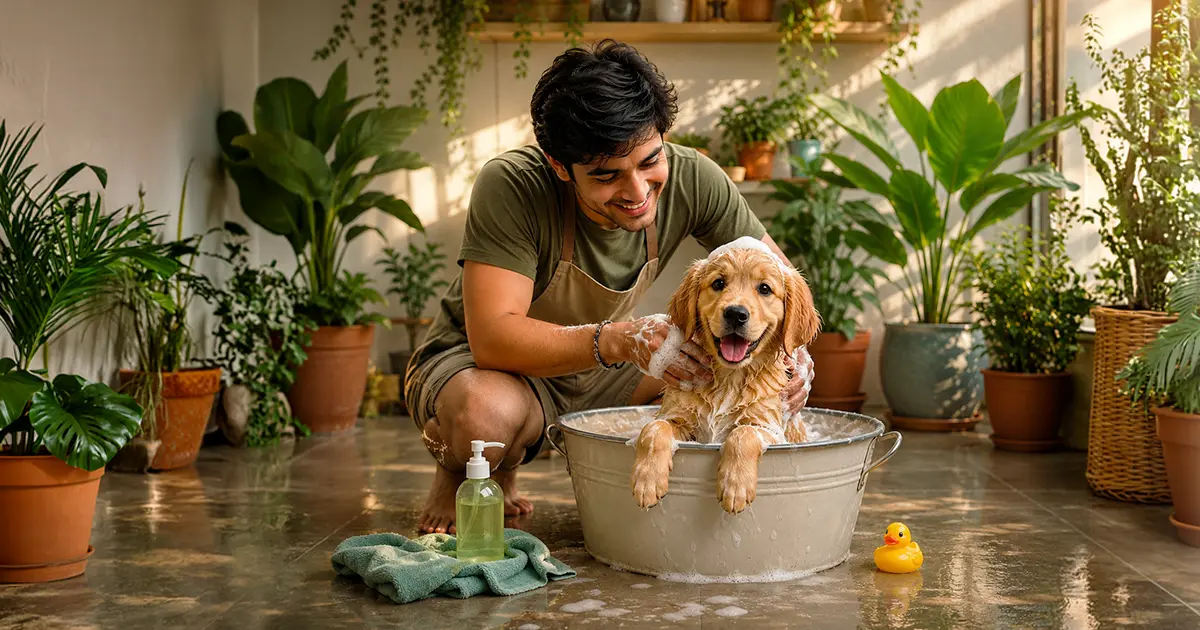
Bathing when necessary, using dog-safe shampoo.
Nail trimming to prevent discomfort and mobility problems.
Ear cleaning to reduce the risk of infections.
Dental care through regular tooth brushing and veterinary dental check-ups.
Long-haired breeds generally require more frequent brushing than short-haired breeds.
Vaccinations
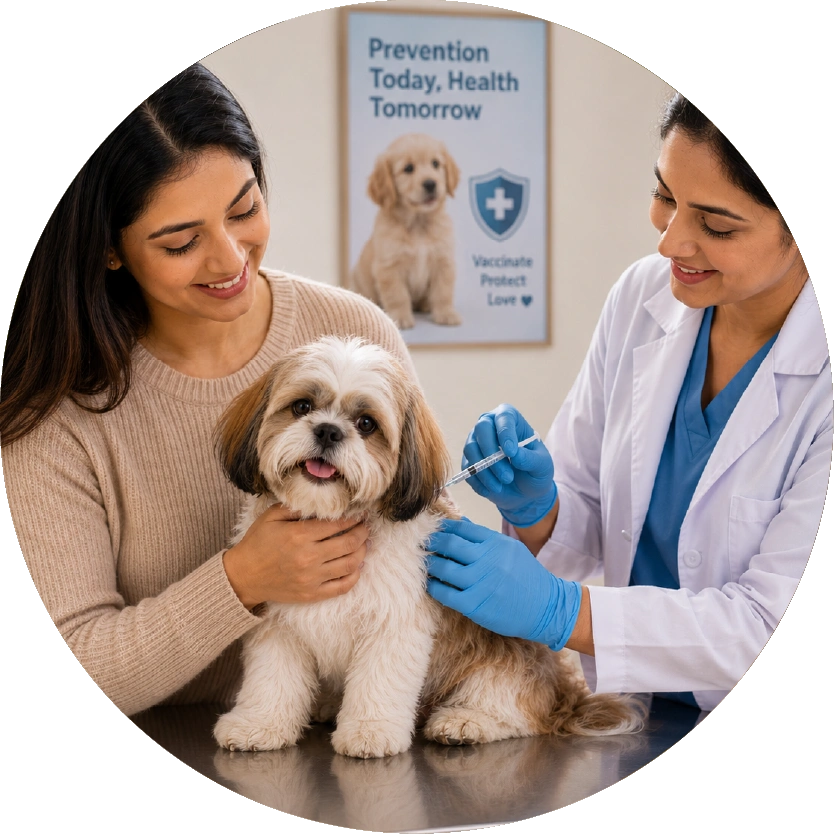
Vaccinations help protect dogs against several serious infectious diseases.
Core vaccines commonly include:
DHPP protects against canine distemper, hepatitis, parvovirus, and parainfluenza.
Rabies is legally required in India as it protects both humans and animals against life-threatening rabies.
Some dogs may also benefit from additional vaccines based on their lifestyle, travel history, and local disease risks. Your veterinarian will recommend the most appropriate dog vaccination schedule.
Routine Veterinary Care
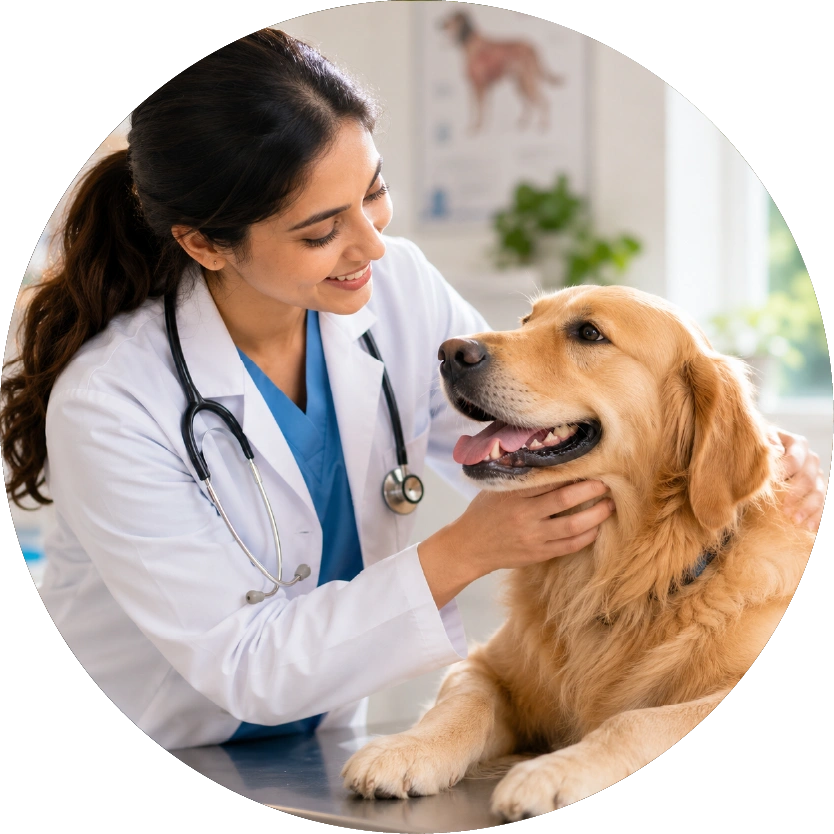
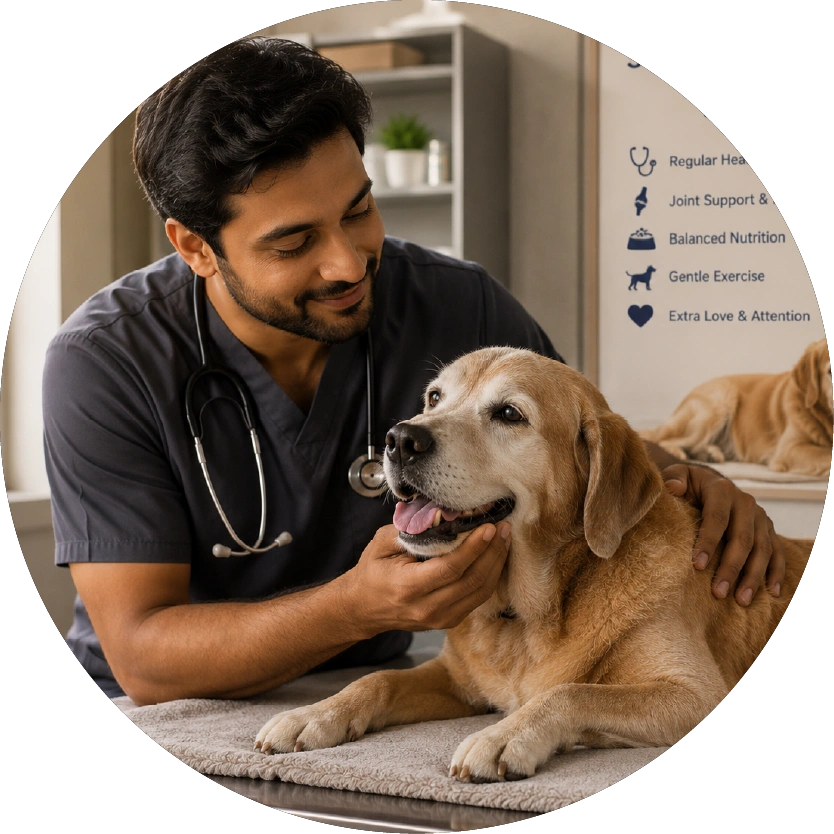
Routine check-ups help monitor your dog's health throughout every stage of life.
A typical wellness visit may include:
Weight and body condition assessment.
Parasite prevention recommendations.
Dental examinations.
Skin and coat evaluation.
Senior health screening for older dogs.
Nutritional and behavioural advice.
Dog Healthcare Checklist
Vaccinations
Deworming
Flea and tick prevention
Heartworm prevention (where applicable)
Dental care
Annual wellness examination
Need more guidance? Read our detailed Dog Vaccination Guide and Dog Grooming Guide for step-by-step advice on preventive care.
Daily Dog Care Routine
A consistent routine helps dogs feel secure while making it easier to notice changes in appetite, behaviour, or health.
Every Day | Every Week |
Feed balanced meals | Brush the coat (breed dependent) |
Provide fresh water | Check ears |
Walks and exercise | Trim nails if needed |
Play and training | Wash bedding |
Toilet breaks | Clean toys |
Observe appetite and behaviour | Inspect skin and coat |
Even short daily training sessions strengthen your bond and provide valuable mental stimulation alongside physical exercise.
Need Expert Dog Care Advice? Conbun Can Help
Every dog is unique, and questions about nutrition, behaviour, grooming, or healthcare can arise at any stage of life. With Online Vet Consultation through Conbun, you can connect with experienced veterinarians from the comfort of your home.
Whether you need help with feeding, vaccinations, behaviour concerns, puppy care, preventive healthcare, grooming advice, skin conditions, or digestive issues, you can Book a Remote Vet Appointment or schedule a Virtual Veterinary Consultation for personalised guidance. Early veterinary advice helps you make informed decisions and keeps your dog healthy throughout every life stage.
Conclusion
Looking after a dog begins with understanding its everyday needs. A balanced diet, safe home, regular exercise, positive training, grooming, preventive healthcare, and routine veterinary visits all contribute to a healthier, happier life.
If you’re ever unsure,schedule a veterinary doctor appointment on Conbun to get all your questions related to dog care answered and help your dog lead a healthy and happy life.
Frequently Asked Questions
How do you take care of a dog for beginners?
Start by providing balanced nutrition, fresh water, daily exercise, a safe home, regular grooming, positive training, and routine veterinary care. Consistency and patience help build trust while supporting your dog's physical and emotional well-being.
What does every new dog owner need?
Every new dog owner should have food and water bowls, age-appropriate food, a comfortable bed, collar and leash, toys, grooming supplies, waste bags, and a trusted veterinarian. A consistent routine is just as important as the right supplies.
How often should dogs visit the vet?
Healthy adult dogs should generally have a wellness examination at least once a year. Puppies, senior dogs, and dogs with ongoing health conditions may require more frequent visits based on your veterinarian's recommendations.
What are the basics of taking care of a dog?
The basics include feeding a balanced diet, providing clean water, daily exercise, mental stimulation, positive training, regular grooming, vaccinations, parasite prevention, and routine veterinary check-ups to maintain long-term health.
What are the daily needs of a dog?
Every day, dogs need nutritious food, fresh water, toilet breaks, exercise, playtime, companionship, mental stimulation, and observation for any changes in appetite, behaviour, or health.
Table of Content
- What Does Every New Dog Owner Need?
- Foods Dogs Should Never Eat
- Creating a Safe, Comfortable, and Active Home
- Understanding Your Dog's Behaviour
- When Behaviour May Indicate a Problem
- Beginner Puppy Guide
- Frequently Asked Questions

Anand Sen
Categories
Conbun – Your Trusted Pet Consult App for Dogs & Cats
Being a pet parent comes with daily questions and concerns. From sudden vomiting and itching to food confusion or unusual behaviour, every pet deserves quick and trusted care. With busy schedules and limited access to vets, finding reliable pet guidance at the right time can feel stressful. At Conbun, we make pet parenting easier with instant online vet consultations, expert advice, and trusted support for dogs and cats all from your phone.